
More people in India are choosing flexible work through freelancing and taking gig jobs. Compliance and your finances depend on understanding your tax responsibilities, regardless of whether you are a content creator, designer, consultant, or app provider. Read this guide by chartered accountants in Mumbai to learn how to file your Income Tax Return (ITR) as a freelancer or gig worker for FY 2024-25 (AY 2025-26).
Who Are Obligated to File Their ITR?
Freelancers and gig workers whose annual income reaches ₹2.5 lakh must file a tax return under Section 139(1) of the Income Tax Act, 1961. This applies no matter the client, business location, or whether the income is a lump sum or paid hourly/project-based. Filing your ITR legally allows you to claim refunds, save unspent tax money, reduce your tax burden, and increase your credibility.
How Do You Classify Freelance Income?
As per the Income Tax Act, all profits made by freelancers and gig workers are classified under “Profits and Gains from Business or Profession.” Unlike salaried individuals, freelancers are responsible for working out their tax payments themselves. Income from multiple clients and platforms must be compiled accurately, which can complicate the reporting process without the guidance of chartered accountants firm in Mumbai.
How Do You Choose the Right ITR Form?
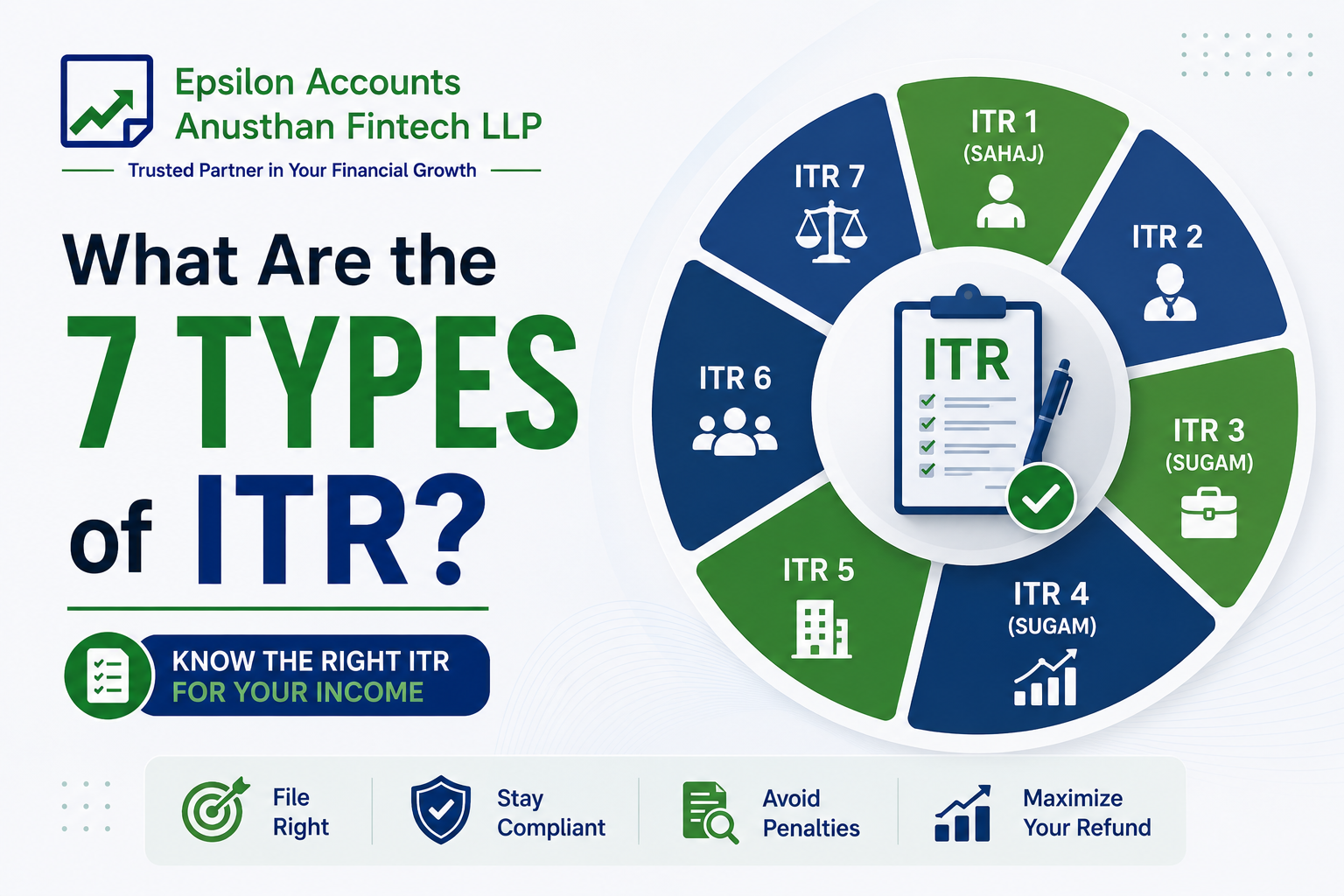
Freelancers with clear financial records or those earning income from multiple sources, including capital gains or house property, should use ITR-3, which requires a profit and loss account and a balance sheet.
Under ITR-4 (Sugam), those earning under ₹50 lakh under presumptive taxation can declare 50% of their total receipts as income.
Presumptive Taxation Scheme (Section 44ADA)
Eligible freelancers and professionals under Section 44ADA can declare 50% of their receipts as income, while the remaining 50% is considered expenditure, provided the total receipts are within the ₹50 lakh limit. Using this method removes the burden of detailed bookkeeping, but invoices and receipts must still be retained.
GST Applicability
GST registration is required if your annual turnover exceeds ₹20 lakh (₹10 lakh for special category states). Freelancers providing digital, IT, or consulting services must add 18% GST to invoices and adhere to GST filing requirements. Real estate agents and other service providers must also comply with income tax and GST regulations.
Deductible Expenses
Freelancers can claim business expenses such as:
-
Rent for office space and utilities
-
Internet and phone bills
-
Hardware and software expenses
-
Travel and professional development costs
-
Marketing and advertising expenses
These deductions can help reduce your taxable income efficiently.
Advance Tax
Freelancers with a total tax liability exceeding ₹10,000 after TDS must pay advance tax, following this schedule:
-
15% by 15 June
-
45% by 15 September
-
75% by 15 December
-
100% by 15 March
Non-payment of advance tax leads to interest and penalties.
Filing Process
-
Sum up your sales and legally allowable expenses, or use presumptive rules for calculating total income.
-
Use ITR-3 if following regular accounting or ITR-4 for presumptive income.
-
Pay advance tax if applicable.
-
Complete your ITR form with your personal and financial details, including deductions and tax payments.
-
File online and e-verify using Aadhaar OTP, EVC, or a digital signature.
-
Retain documents, invoices, and bank statements for compliance and audit purposes.
Special Considerations
-
Foreign income requires adherence to FEMA and DTAA rules to avoid double taxation.
-
A tax audit is mandatory if your gross receipts exceed ₹1 crore.
-
You can claim credit for TDS using Form 26AS.
Conclusion
Filing your ITR is essential for freelancers and gig workers to stay compliant, manage finances efficiently, and utilise tax benefits. As tax laws and digital compliance continue to evolve, maintaining accurate records, choosing the right filing method, and meeting deadlines are crucial. For a smooth, accurate, and timely ITR filing experience, consider consulting chartered accountants in Mumbai or a chartered accountants firm in Mumbai like Epsilon Accounts Anusthan Fintech LLP. They provide freelancers and gig workers with professional guidance and complete tax solutions to help maximise deductions, ensure compliance, and allow you to focus on growing your freelance business stress-free.
FAQs
Q. On which ITR number should freelancers and gig workers report income for the year?
If you opt for presumptive taxation, you must use ITR-4; otherwise, ITR-3 is the form for all standard requirements.
Q. Is advance tax due from freelancers during the year?
If a freelancer’s tax bill after TDS is more than ₹10,000, they must pay advance tax in monthly or quarterly installments.
Q. Can independent workers include bills regarding their business in their ITR?
Business owners’ job costs can be subtracted from their taxable income.